blog
Leadership Under Pressure
Why Phase 2 will test leadership priorities - and how better operational visibility can support decisions under pressure.

From 30 November, Awaab's Law Phase 2 will introduce significant additional operational pressure. Statutory hazard response times cannot simply move because another organisational priority has become urgent. This comes at a time when housing providers are already operating with constrained financial headroom while facing significant investment requirements. The Regulator of Social Housing expects boards to manage these competing pressures through informed trade-offs, supported by robust data and effective risk management.
As with any period of sustained pressure, existing leadership behaviours are likely to become more visible. Priorities that appear clear when capacity is available can become harder to protect when workloads increase, resources are stretched and several urgent demands compete for attention. Phase 2 will therefore test how consistently leadership priorities translate into operational decisions across the organisation.
Some of that pressure can be managed through better operational visibility. Connected technology can give leaders a clearer view of performance, demand and emerging pressure across the organisation. Rather than relying predominantly on retrospective reporting, connected data can show where (and even why) cases are accumulating, where capacity is becoming constrained and where intervention may be needed. AI creates further opportunities to identify patterns across large volumes of operational information and bring emerging risks to attention earlier.
Technology cannot decide which priorities leadership should protect. It can, however, give resident-focused, data-driven leadership teams better information on which to base those decisions and greater visibility of their consequences. Used well, that intelligence can support decisions about immediate operational pressures while also informing longer-term capacity and investment planning.
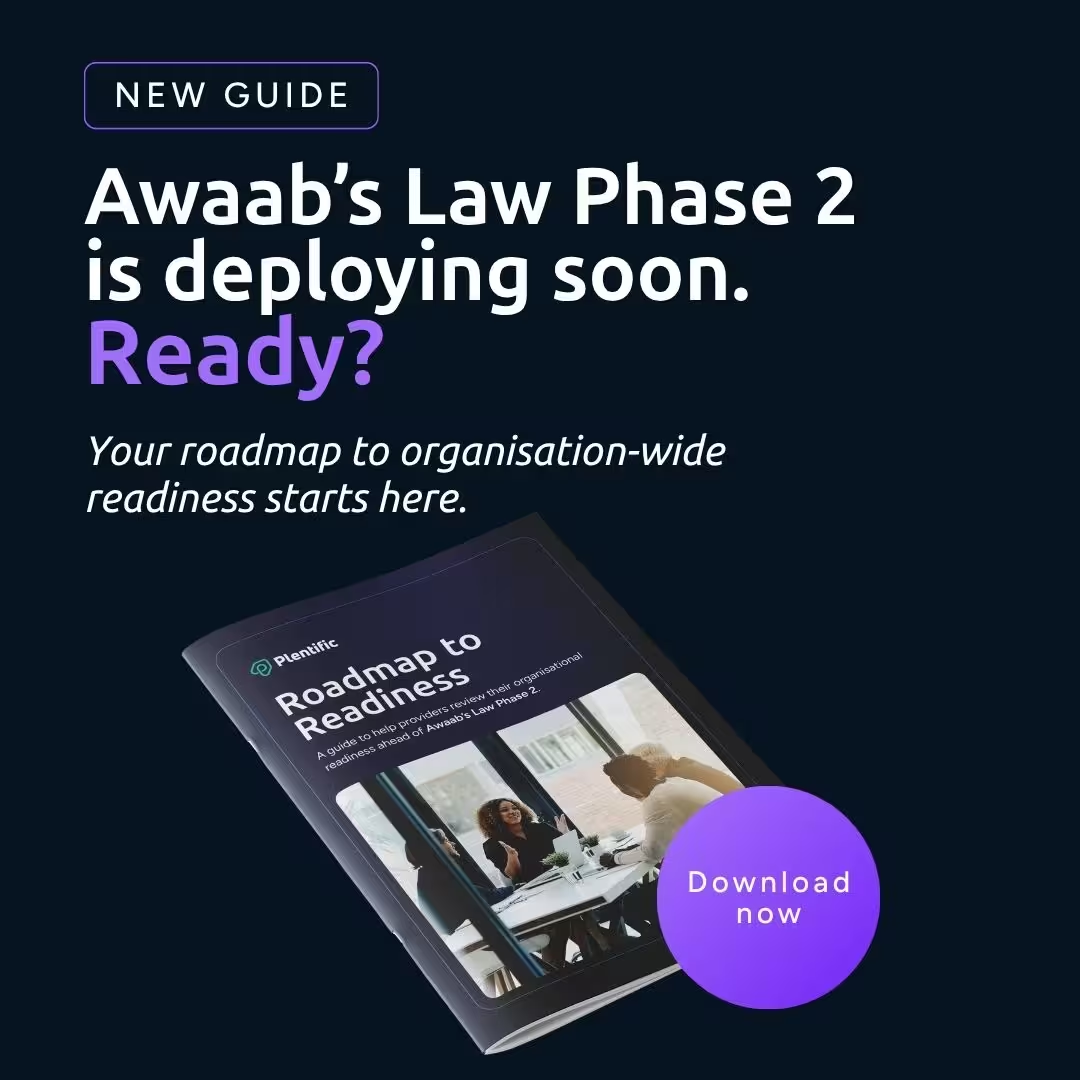
Style is the fifth element in the McKinsey 7S Framework for organisational change, which we use throughout our Roadmap to Readiness to examine Phase 2 preparedness. The guide explores the role of leadership in establishing clear priorities and supporting effective decision making as organisations prepare for the demands of Phase 2.